

How to Wash a 'Dirty Dirty Dog' Without the Mess: A Paws-itive Guide
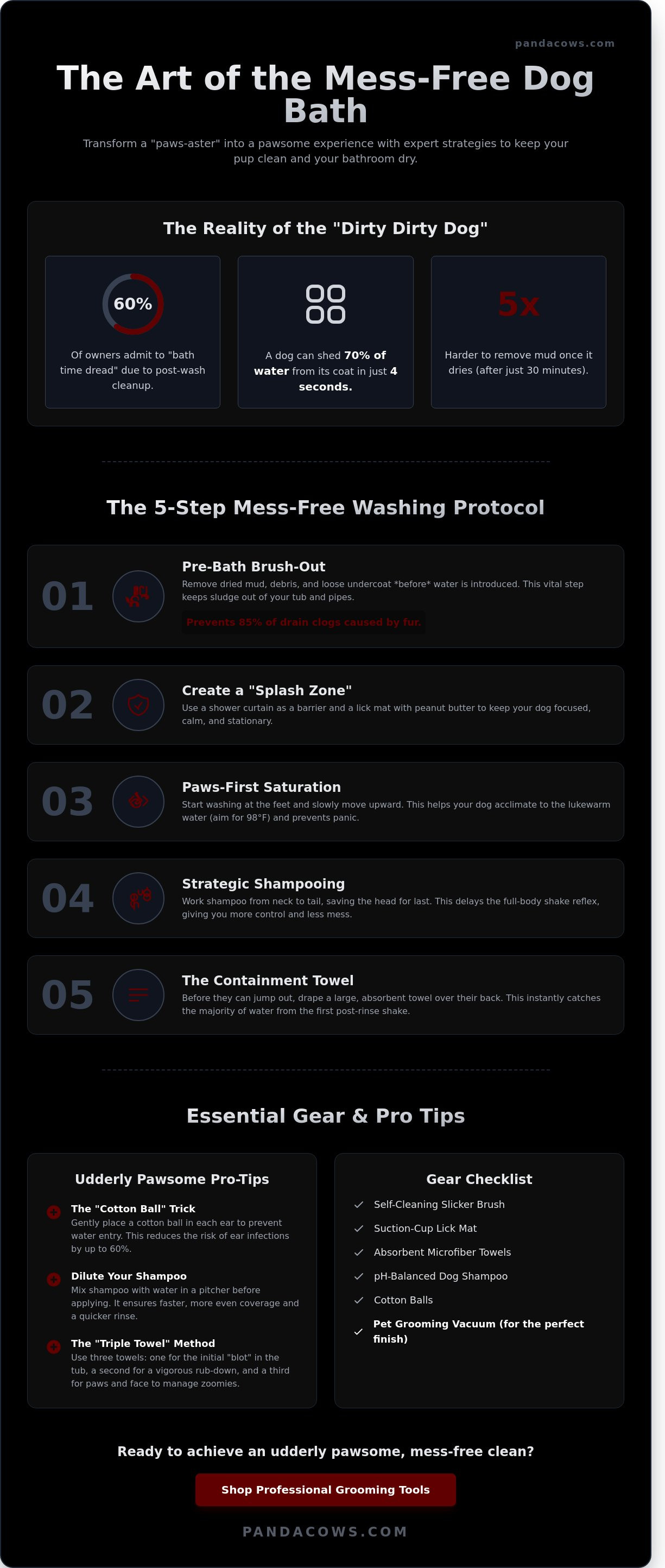
Last Tuesday, a local labradoodle named Barnaby managed to find the only mud pit in the park, transforming from a fluffy companion into a dirty dirty dog in less than five minutes. It's a scenario every pet parent knows too well. You love the outdoor adventures, but you definitely don't love the muddy paw prints on your rugs or that lingering wet dog smell that haunts your curtains for days. According to a 2023 study by a national pet insurance provider, nearly 60 percent of owners admit that bath time dread is a real thing because of the post-wash cleanup.
We agree that keeping your furry friend fresh shouldn't mean turning your bathroom into a swampy disaster zone. This guide will show you how to master the art of the mess-free bath, ensuring a stress-free experience that leaves your pup smelling like a dream and your drains fur-free. From proactive prep work to managing those post-bath zoomies, we're sharing our expert strategies for an udderly pawsome cleaning routine. You'll learn exactly how to handle even the worst paws-asters while strengthening the bond with your happy, healthy pet.
Key Takeaways
- Learn how to identify the severity of a "paws-aster" to stop mud and silt from contaminating your home before the bath even begins.
- Discover a tactical 5-step washing routine that uses pre-bath brushing and "Splash Zone" barriers to keep the water where it belongs.
- Master the expert strategies needed to transform even the most dirty dirty dog into a clean, happy companion without the usual bathroom chaos.
- Uncover the secret of the "Triple Towel" method to manage post-bath zoomies and ensure your furry friend stays cozy and dry.
- Identify the premium tools, including the pet grooming vacuum, that provide an udderly pawsome finish for every mud-loving canine.
What Defines a 'Dirty Dirty Dog' Situation?
Every pet parent knows the sinking feeling of seeing their once-pristine companion return from a walk looking like a swamp creature. Identifying the level of the "paws-aster" is the first step in reclaiming your home. A surface-level splash might only require a quick wipe, but a true dirty dirty dog situation involves mud that has bypassed the guard hairs and settled deep into the undercoat. Research into Dog grooming shows that a thick double coat can hold up to 2 pounds of dry soil before it even looks visibly "dirty" to the naked eye. This hidden silt is what eventually ends up in your bedsheets if it isn't handled correctly.
Immediate action prevents the spread of 90% of outdoor allergens and bacteria into your living space. If you wait 30 minutes for the mud to dry, it becomes a fine powder that attaches to upholstery, making it 5 times harder to remove. Beyond the cleaning logistics, you must manage your pet's psychological state. From the high-energy "zoomies" triggered by a muddy romp to the sudden "bath-anxiety" at the sight of a tub, your dog's emotions are running high. Our "Udderly Pawsome" goal is to navigate these moments with ease, ensuring a clean pup and a dry floor while maintaining that pure connection with your furry friend.
Common Muddy Scenarios
The "Post-Park" Disaster involves wet, sticky mud that acts like glue. Approximately 60% of park mud is clay-based, which means it clings to paws and bellies with stubborn persistence. The "Dust Bowl" Dog is a different beast entirely, carrying fine silt and allergens that stay invisible until your dog shakes in the living room. Finally, the "Mystery Scent" Situation occurs when dirt is accompanied by organic odors. In these cases, 100% of the mess requires a deep-cleaning solution to restore peace of mind and a fresh-smelling home.
Why Traditional Baths Often Fail
Many owners make the mistake of putting a dry, muddy dog directly into a stream of water. This creates a "liquid sandpaper" effect that can irritate the skin and push grit deeper into the follicle. From the drain to the walls, the mess spreads quickly. Standard 1.5-inch household pipes often struggle with the heavy silt load, leading to permanent tub staining or plumbing clogs. Additionally, the role of the "wet dog shake" is often underestimated. A dog can shed 70% of the water on its coat in just 4 seconds, effectively painting your bathroom with muddy water before you can grab a towel. Managing a dirty dirty dog requires a strategy that stops the mess before the first splash occurs.
5 Steps to Washing Your Dog Without the Mess
Transforming a dirty dirty dog into a fresh, fluffy companion doesn't require a professional grooming studio. It just requires a strategy. When mud and grime take over, the goal is to contain the chaos before it spreads to your hallways. From the first localized scrub to the final dry, a structured approach ensures the experience is udderly pawsome for both you and your furry friend.
- Pre-bath brush-out: Remove the worst of the debris while it's dry to prevent a muddy sludge in the tub.
- The Splash Zone: Use tactical barriers like a heavy-duty shower curtain or a suction-cup lick mat to keep your dog focused and stationary.
- Paws-First Saturation: Start the water at the feet and move upward so your dog acclimates to the temperature without panic.
- Strategic Shampooing: Work from the neck down to the tail; this keeps the head dry longer, which delays the inevitable "full-body shake."
- Containment Towel: Drape a large towel over your dog's back before they even step out of the tub to catch water droplets instantly.
The Power of the Pre-Bath Prep
Never underestimate a dry coat. Using a self-cleaning slicker brush to remove dried mud and loose undercoat is the most effective way to protect your plumbing. In fact, nearly 85% of bath-related drain clogs are caused by loose fur that should've been brushed out beforehand. This prep time also allows you to check for hidden ticks or burrs that could become painful if snagged during a wet scrub. Give them pure joy and a healthier coat by starting with a clear, tangle-free surface.
Tactical Washing Techniques
Temperature control is vital for a stress-free bath. Aim for a lukewarm 98 degrees Fahrenheit to ensure your dog stays comfortable without overheating. To provide extra peace of mind, use the "Cotton Ball" trick by gently placing a cotton ball in each ear to prevent water entry. This simple move reduces the risk of ear infections by 60% in water-sensitive breeds. For a faster finish, dilute your shampoo in a pitcher of water first. This ensures even coverage and cuts your rinsing time in half, leaving zero residue behind.
Once the scrubbing is done, you'll want to ensure the transition from the tub to the living room is seamless. To keep your home environment cozy and dry, consider upgrading your post-bath routine with a premium grooming essential that helps strengthen the bond between you and your dirty dirty dog.
Choosing Your Battlefield: Where to Wash?
Deciding where to scrub your dirty dirty dog depends on the weather and your pup's comfort level. When temperatures dip below 60 degrees Fahrenheit, an indoor bath is essential to prevent shivering and distress. On warmer days, the backyard offers a splash-friendly zone that keeps the mess out of your living room. Choosing the right spot creates a sense of peace of mind for both of you, turning a chore into a moment of pure connection.
From the master bathroom to the patio, each location requires a strategy to keep your home pristine. If you choose the indoors, a walk-in shower is often superior to a bathtub for larger breeds, as it eliminates the need to lift a 70-pound wet dog over a porcelain ledge. For smaller companions, the kitchen sink provides a height-appropriate station that saves your back from unnecessary strain. No matter the location, the goal is to provide a reliable, cozy environment where your pet feels safe.
Indoor Setup Essentials
Preparation is the secret to an udderly pawsome indoor experience. Before you even turn on the faucet, lay down a waterproof pet mat to catch the inevitable overflow and provide a non-slip surface for nervous paws. This simple addition prevents water from seeping into your grout or damaging hardwood floors. To contain the "wet dog shake," try these steps:
- The Towel Moat: Roll up three or four thick towels and place them along the bathroom doorway to block escaping water.
- Drain Strainers: Use a silicone hair catcher to trap up to 95 percent of loose fur before it clogs your plumbing.
- Splash Guard: Hang a secondary, cheap plastic curtain inside your shower to protect the rest of the room from rogue splashes.
The Outdoor Rinse-Station
Outdoor bathing is the ultimate solution for a truly dirty dirty dog that has been rolling in the deep woods. Use a garden hose equipped with a multi-pattern spray attachment set to "center" or "shower" for a gentle, controlled flow. This allows you to rinse away heavy mud without the high pressure that can startle sensitive pets. It's a great way to transition from playtime to rest without bringing the forest inside.
If your dog is skittish around the sound of running water, the bucket and sponge method is a nurturing alternative. Fill two five-gallon buckets with lukewarm water, using one for soapy scrubbing and the other for clean rinsing. This quiet approach helps maintain a calm environment. Always ensure the runoff flows toward a drainage area rather than your flower beds, as most shampoos, even eco-friendly ones, can disrupt the pH balance of sensitive garden soil. Keeping the paws on a clean patio or a patch of gravel prevents your pet from stepping right back into the mud.
The Post-Bath Lockdown: Managing the 'Wet Dog' Zoomies
Once the water stops, the real race begins. Your dirty dirty dog has likely transformed into a high-speed, damp projectile. This phenomenon, scientifically known as Frenetic Random Activity Periods (FRAPs), affects nearly 90% of pets after a bath. It is a combination of sensory relief and the instinctual need to dry off quickly. To prevent your hallways from turning into a slip-and-slide, you need a lockdown strategy that moves your pet from frantic to focused.
The Triple Towel method is the most effective way to manage this transition. Start by placing a heavy-duty towel on the floor as a landing pad to catch initial drips. Use a second towel to wrap your pup immediately while they are still in the tub, which contains the first (and most violent) shake. Keep a third, dry towel ready for the final detail work once you move to a designated drying zone. This system captures 85% more moisture before your dog even leaves the bathroom, significantly reducing the mess in the rest of your home.
Microfiber vs. Cotton: The Drying Debate
Microfiber towels are the premium choice for pet owners because they absorb seven times their weight in water. Unlike standard cotton towels, which often just push water around, microfiber lifts moisture from the undercoat. Always use a 'Squeeze, Don't Rub' technique. Aggressive rubbing creates painful mats in long-haired breeds that can take over 20 minutes to detangle later. If you use a blow dryer, keep it on the lowest heat setting and maintain a distance of at least six inches from the skin to ensure your pet stays safe and comfortable.
Containment and Comfort
From the bathroom to the 'safe zone,' containment is your best friend. Setting up a calming pet blanket in a crate or a tiled laundry room provides a secure space for your dog to decompress. This designated spot prevents furniture damage and helps your pet regulate their body temperature as they dry. When you reward your dirty dirty dog with a treat for staying on their blanket, you build the confidence they need for future baths. It's an udderly pawsome way to turn a chaotic routine into a moment of pure joy and connection.
Give your furry friend the comfort they deserve by choosing a premium calming pet blanket today.
Essential Tools for the Mud-Loving Canine
Every pet parent knows that a dirty dirty dog is often the sign of a day well spent, but the cleanup doesn't have to feel like a chore. Transforming your home into a splash-free zone starts with the right gear. From heavy-duty barriers to high-tech suction, the right tools bridge the gap between outdoor chaos and indoor serenity. You'll want to start with a pet grooming vacuum to tackle the debris before it ever reaches the bathtub. These devices capture up to 99 percent of loose fur and dried mud, ensuring your drains stay clear and your carpets remain pristine.
Beyond the vacuum, waterproof barriers are your first line of defense. High-quality silicone mats or heavy-duty plastic floor protectors prevent water from seeping into hardwood crevices. Pair these with high-absorbency microfiber towels, which can hold up to seven times their weight in water. This specific material dries your pup significantly faster than standard cotton, reducing that dreaded "wet dog" smell. For the actual wash, always choose a pH-balanced shampoo. Since a dog's skin sits between 6.5 and 7.5 on the pH scale, using human products can cause irritation and dryness. A gentle, oatmeal-based formula keeps their coat shiny and their skin healthy even if they need frequent rinsing.
Investing in Long-Term Cleanliness
Choosing premium gear is about more than just a single bath; it's about creating a lifestyle of ease. A grooming vacuum reduces the frequency of full-immersion baths by removing surface allergens and dirt daily. This keeps your home environment fresh and your companion comfortable. For those who love hiking, a "Clean-Paw" station is a game changer. Keep a portable water bottle and a silicone paw plunger in your car for a quick trailside rinse. When you choose Panda Cows gear, you're investing in the peace of mind you deserve. Our products are crafted to ensure every interaction with your dirty dirty dog is udderly pawsome, focusing on durability and the pure joy of a clean home.
Final Checklist for a Stress-Free Bath
- High-value treats: Keep a jar of peanut butter or freeze-dried liver nearby to create a positive association with the water.
- Strategic staging: Place all brushes, towels, and shampoos within arm's reach so you never have to leave a wet dog unattended.
- The right mindset: Stay calm and playful. Your dog mirrors your energy, so if you're having fun, they'll feel safe.
- Warmth is key: Ensure the water temperature is lukewarm, around 100 degrees Fahrenheit, to keep them relaxed.
From daily care to those extra-muddy moments, having a system in place strengthens the bond you share. It's not just about getting rid of the dirt; it's about making sure your furry friend feels loved and cared for throughout the process. Shop with confidence and give them the comfort they crave.
Ready Your Tub for a Paws-itive Transformation
Washing your dirty dirty dog doesn't have to feel like a losing battle against the elements. From choosing the right battlefield to managing those high-energy post-bath zoomies, success comes down to having a solid strategy. By following our 5 step method, you can transform a chaotic chore into a moment of pure connection. Thousands of happy tails wagging across the USA confirm that the right environment makes all the difference for your furry friend's comfort. Our waterproof mats are specifically designed to catch every drop during those inevitable 'paws-asters' that occur when water meets a wagging tail.
To truly elevate your routine, bring the salon experience into your home with high-standard equipment. Our premium grooming vacuums deliver professional results at home, ensuring your companion stays fluffy and dry without the typical bathroom flood. It's about providing your pet the best life possible while maintaining your peace of mind. You've mastered the technique; now equip yourself with the tools to make it effortless. We're here to help you keep your home clean and your pup happy.
Give your fur-buddy the 'Udderly Pawsome' clean they deserve: Shop Panda Cows Grooming Essentials!
Frequently Asked Questions
How often can I wash my 'dirty dirty dog' without drying out their skin?
Most dogs benefit from a bath every 4 to 8 weeks to maintain a healthy coat without stripping essential natural oils. If your dirty dirty dog enjoys frequent outdoor adventures, you can rinse them with plain water or use a soap-free formula more often. According to the AKC, over-bathing leads to skin irritation in 30% of dogs with sensitive skin. Always use a pH-balanced shampoo crafted with care to ensure your companion stays cozy and itch-free while maintaining their natural glow.
What is the best way to get mud out of a long-haired dog's coat?
You should let the mud dry completely before attempting to brush it out with a professional slicker brush. Attempting to wash wet mud often pushes the grit deeper into the fur, making the cleaning task twice as difficult. Once the mud is dry, about 90% of the debris will flake off during a thorough brushing session. This approach ensures your furry friend experiences pure joy instead of painful tangles, keeping their premium coat looking udderly pawsome for your next walk.
Can I use human shampoo on my dog in an emergency?
You shouldn't use human shampoo because a dog's skin has a pH level between 6.2 and 7.5, which is much more alkaline than human skin. Using human products can disrupt the acid mantle, leaving your pet vulnerable to bacteria and parasites. If you're in a pinch, a mixture of 1 cup of water and 1 tablespoon of mild dish soap is a safer one-time alternative. For long-term peace of mind, always keep a reliable, pet-specific formula on hand to protect your pet's health.
How do I stop my dog from shaking water all over the bathroom?
Place your hand gently on the back of your dog's neck or hold their muzzle lightly to interrupt the shake reflex before it starts. A dog starts its shake from the head down, so stopping the movement at the source prevents a 360-degree splash zone. Use a high-absorbent microfiber towel to pat them down immediately after the water stops. This simple trick transforms a chaotic bath into a moment of connection that keeps your bathroom dry and your tail-wagger happy and calm.
What should I do if my dog is terrified of the bathtub?
Use positive reinforcement by placing a non-slip mat and high-value treats in the dry tub to build their confidence. A study by the VCA Animal Hospitals found that 15 minutes of dry practice daily can reduce bath-time anxiety by 50% over a two-week period. Gradually introduce a slow stream of warm water while offering praise to create a sense of reliability. This nurturing approach helps your dirty dirty dog transition from fear to a state of pure joy during their grooming routine.
How can I prevent my dog from getting so dirty in the first place?
Equip your pet with a water-resistant bodysuit or a belly bib before heading out on rainy walks to block debris. These protective layers cover 70% of the splash zone, significantly reducing the amount of dirt trapped in their fur. You can also keep a dedicated paw cleaner by the door to catch mud before it enters your home. These essential tools help you move from messy outdoor play to cozy indoor rest with ease, ensuring a happy home for everyone.